Industrial Digital Scales: Modernizing Precision Measurement in Today’s Workplace
Gone are the days when businesses relied on analog scales with wobbly needles and squinting operators trying to read measurements. Industrial digital scales have revolutionized how companies measure, track, and manage weight-related operations across virtually every industry. From warehouses to manufacturing floors, these advanced tools are transforming accuracy and efficiency in ways that directly impact profitability.
If you’re still using outdated weighing equipment or considering an upgrade, understanding the advantages of industrial scales can help you make an informed decision that benefits your operations for years to come.
The Digital Advantage
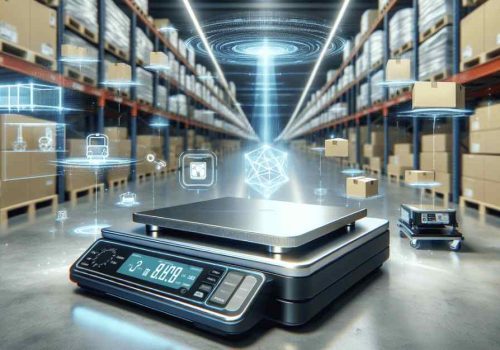
What sets industrial digital scales apart from their analog predecessors? The answer lies in their precision, ease of use, and smart capabilities. Digital scales provide clear, exact readings on easy-to-read displays, eliminating guesswork and human error. There’s no more debating whether the needle is pointing to 247 or 249 pounds, the display shows exactly what you need to know.
This precision matters tremendously when you’re dealing with high-value materials, strict quality standards, or regulatory compliance requirements.
Features That Drive Business Value
- Instant Readability: Large LCD or LED displays show weight measurements instantly, making the weighing process faster and reducing operator fatigue. Your team can process more items in less time without sacrificing accuracy.
- Data Connectivity: Modern industrial digital scales connect to computers, printers, and network systems. This seamless integration allows automatic record-keeping, real-time inventory updates, and integration with your existing management software. No more manual data entry and the errors that come with it.
- Tare Functions: Need to weigh contents without including the container? Digital scales make this effortless with programmable tare settings that automatically subtract container weights, streamlining your workflow.
- Multiple Unit Conversion: Switch between pounds, kilograms, ounces, or grams with a single button press. This flexibility is invaluable when dealing with international clients or diverse product lines.
Real-World Applications
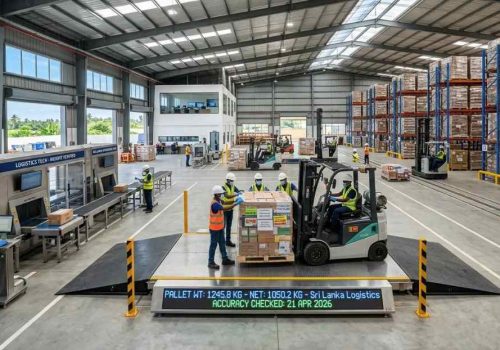
Industrial digital scales serve countless purposes across different sectors. Shipping departments use them to calculate accurate freight costs and avoid overweight penalties.
Manufacturing facilities rely on them for quality control and precise batching of materials. Retail operations depend on them for portion control and pricing by weight.
The versatility of these scales means they adapt to your specific needs rather than forcing you to work around equipment limitations.
Durability Meets Technology
Don’t let the “digital” label fool you, these aren’t delicate devices. Industrial digital scales are built tough, featuring rugged construction that withstands harsh environments, heavy loads, and constant daily use. Many models offer dust protection, waterproofing, and corrosion resistance suitable for demanding industrial settings.
Making the Investment Count
When selecting industrial digital scales, consider your maximum weight capacity needs, required precision level, environmental conditions, and connectivity requirements. Quality scales represent a long-term investment that pays dividends through reduced errors, improved efficiency, and better data management.
The transition from analog to digital isn’t just an equipment upgrade, it’s a strategic move toward smarter operations. Industrial digital scales provide the foundation for accurate measurement, streamlined processes, and data-driven decision-making that keeps your business competitive in an increasingly precise world.