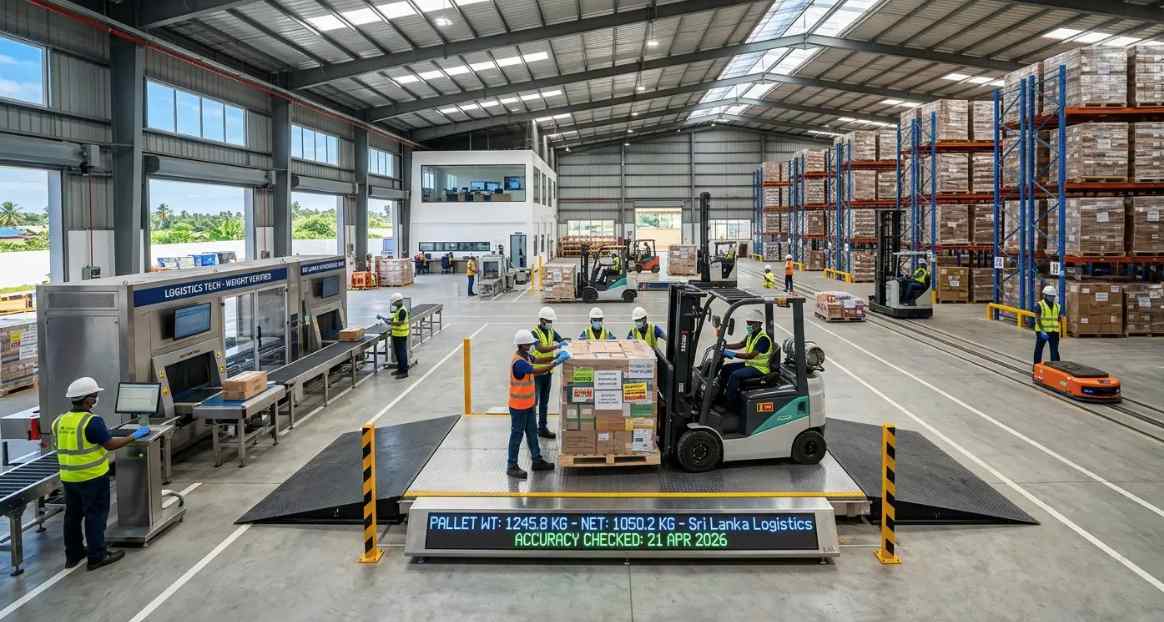
Why Industrial Weight Measurement Is Essential for Business Efficiency
Industrial weight measurement is a critical part of operations in manufacturing, logistics, construction, and warehousing. Accurate weight data ensures that materials, products, and shipments meet required standards and regulations.
Businesses that invest in reliable industrial weight solutions can improve productivity, reduce losses, and maintain compliance. Choosing the right scale system supports smooth workflows and long-term operational success.
The Importance of Accurate Industrial Weight Measurement
Precise industrial weight measurement directly impacts product quality and financial performance. Even minor errors in weighing raw materials or finished goods can lead to production issues or customer dissatisfaction.
Accurate measurement also helps businesses maintain transparency in transactions. When weight readings are correct and consistent, companies can avoid disputes and build stronger relationships with clients and suppliers.
Compliance and Safety Standards
In many industries, meeting regulatory standards is mandatory. Weight limits for transportation, packaging requirements, and safety guidelines all depend on correct measurement.
Proper industrial weight systems help prevent overloading machinery and vehicles. This not only ensures compliance but also reduces the risk of accidents and equipment damage.
Common Applications of Industrial Weight Systems
Industrial weight equipment is used across various sectors to handle different tasks. Each application requires durability, precision, and reliability.
- Manufacturing Plants: Measuring raw materials and finished goods during production.
- Warehouses: Weighing pallets and bulk inventory for stock management.
- Logistics and Shipping: Ensuring shipments meet transport weight regulations.
- Construction Sites: Monitoring material loads to maintain safety.
- Agriculture: Weighing crops, feed, and other bulk goods accurately.
These applications show how essential accurate weight measurement is for daily operations.
Benefits of Investing in Quality Industrial Weight Equipment
Reliable industrial weight systems offer several advantages beyond basic measurement. First, they enhance operational efficiency. Fast and precise readings reduce delays in packaging, processing, and shipping.
Second, they support better inventory control. Accurate weight data allows businesses to monitor stock levels and minimize waste. This leads to cost savings and improved resource planning.
Third, they improve profitability. By preventing material loss and avoiding regulatory fines, companies can protect their revenue and reputation.
Conclusion
Selecting the appropriate equipment requires careful evaluation of your operational needs. Consider the maximum load capacity, environmental conditions, and level of precision required.
Modern industrial weight systems often include digital displays, connectivity features, and integration with management software. These features allow real-time data tracking and easier reporting.
Finally, always purchase from a trusted supplier that offers durable products and reliable support. The right industrial weight solution is not just equipment; it is an investment in efficiency, compliance, and sustainable business growth.