How to Choose the Right Large Floor Scale for Your Warehouse
Accurate weight measurement is the backbone of efficient warehouse operations, freight logistics, and manufacturing quality control. While bench scales and counting scales handle smaller components, oversized pallets, industrial drums, and bulk containers demand a platform built for serious capacity. Investing in a reliable large floor scale ensures your facility can weigh heavy, bulky loads quickly and accurately without disrupting your daily workflow.
Why Standard Scales Fall Short for Heavy Loads
Many warehouses attempt to manage heavy weighing tasks with undersized equipment, leading to inaccurate readings, overloaded load cells, and premature hardware failure. Standard bench scales typically max out at a few hundred pounds, making them completely unsuitable for palletized freight or raw material batches that routinely exceed several thousand pounds.
A dedicated industrial floor platform solves this problem by offering capacities ranging from 2,500 to 20,000 pounds or more. The expanded platform surface accommodates full-sized pallets, large crates, and wheeled containers, while heavy-duty load cells maintain precision even under extreme weight loads.
Platform Size and Loading Accessibility
When selecting a floor scale, platform dimensions are just as important as weight capacity. A platform that is too small forces operators to balance oversized loads precariously, creating safety hazards and inaccurate readings. Common industrial sizes include 4×4 feet, 4×5 feet, and 5×7 feet configurations, with larger custom dimensions available for specialized applications.
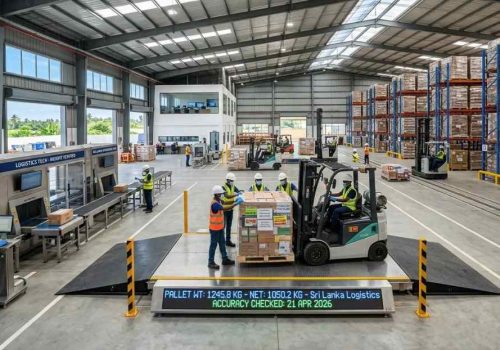
Loading accessibility is another critical consideration. Low-profile platforms that sit just one to two inches off the ground allow pallet jacks and hand trucks to roll directly onto the weighing surface. For facilities that rely heavily on forklift traffic, pairing the platform with a heavy-duty ramp combo eliminates the need for pit installations and allows flexible placement anywhere on the warehouse floor.
Durability for Demanding Environments
Industrial weighing equipment must withstand constant abuse from forklift wheels, dropped cargo, and harsh environmental conditions. Look for platforms constructed from welded carbon steel or diamond-tread steel plating that resists impact damage and surface wear over years of heavy use.
For food processing plants, chemical facilities, and outdoor applications, stainless steel construction provides superior corrosion resistance and meets sanitary washdown requirements. Sealed load cells and junction boxes rated for IP67 or higher ensure reliable performance even when exposed to moisture, dust, and chemical splashes.
Connectivity and Integration
Modern floor platforms do more than display a weight reading. Digital indicators equipped with RS-232, USB, and Ethernet ports allow seamless data transfer to warehouse management systems, inventory databases, and shipping software. This integration eliminates manual data entry, reduces transcription errors, and provides real-time visibility into inbound and outbound freight weights.
For operations that require Legal-for-Trade compliance, ensure the scale carries NTEP certification to meet regulatory standards for commercial transactions.
Upgrade Your Weighing Infrastructure Today
A properly sized, heavy-capacity floor platform is one of the most practical investments a warehouse or production facility can make. It improves freight accuracy, protects against carrier chargebacks, and keeps your loading docks running efficiently.
Explore the full selection of industrial floor platforms and ramp combinations at Scale Depot to find the ideal weighing solution for your facility.